
It often begins with something small. You open the refrigerator and suddenly forget what you were looking for. A client’s name slips away halfway through a sentence. You reach the end of a book page and realize that you did not absorb any of it.
None of this is unusual, but it’s frustrating enough that plenty of people end up typing The Brain Song reviews into Google late at night, wondering if a short daily audio session could help. If that’s you, good. You’re asking before buying, which is exactly the right order.
Below, we cover what the program is, what people tend to say after using it, what the gamma-brainwave science does and doesn’t support and the few things worth checking before you pay. For the full product breakdown, see our complete The Brain Song review.
First, What Exactly Is The Brain Song?
It’s a digital audio program. That’s really the whole format. There’s no capsule to swallow, no headband to charge and no workout plan to follow. You get access online, put on headphones and listen.
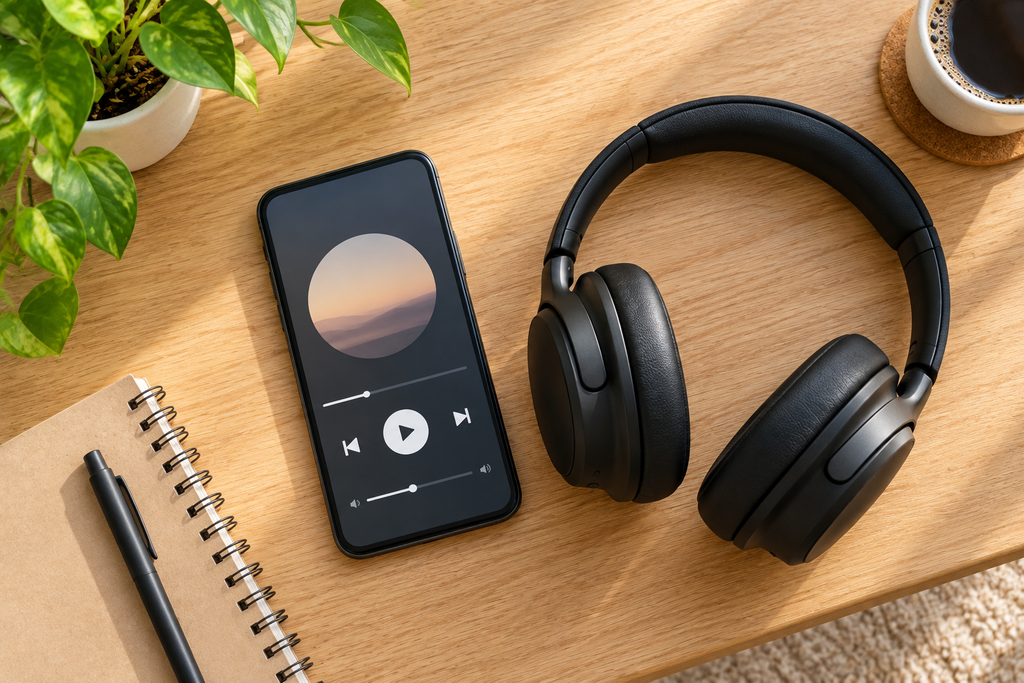
The seller promotes it to people looking to improve their focus, memory, and mental clarity. The hook is gamma brainwaves, a type of fast brain activity that neuroscientists do study. Whether this particular recording does anything meaningful with that activity is a separate question, and we’ll get to it.
The Brain Song at a Glance
| Detail | What to Know |
| Format | Digital audio |
| Main idea | Gamma brainwaves |
| Delivery | Online access, nothing is shipped |
| Where you use it | Home or any quiet spot |
| Price and terms | Set by the vendor, so check the official site |
What Listeners Tend to Say in The Brain Song Reviews
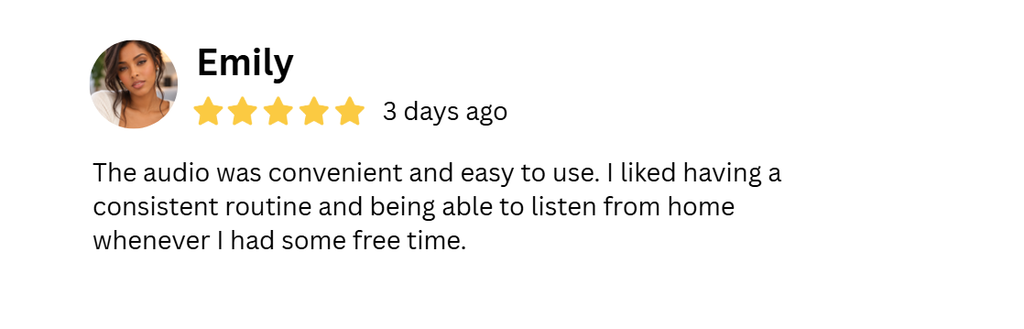
Read enough The Brain Song reviews and a pattern shows up quickly. The most common positive comment isn’t about memory at all. It’s about the routine. People like having a set time each day where they sit still, put the phone down and just listen. Some say they feel calmer afterward, and a few say their focus feels a little steadier on days they don’t skip it.
Then there’s the other group. They listened for a while, noticed nothing much and moved on. That’s not a scandal. It’s what you’d expect from a wellness product built on an idea that science is still working through. Results vary from person to person, and it’s hard to separate the audio from everything else going on in someone’s life, like sleeping better during a quiet month or simply taking more breaks.
One warning sign is worth mentioning. If one of The Brain Song reviews you find promises dramatic memory gains within days, be skeptical, especially if it sits on a page with a countdown timer and a flashing “only 3 left” banner. Honest feedback tends to sound ordinary. It mentions small things, admits a few doubts and rarely uses the word “miracle.”
The Brain Song Customer Reviews



How It’s Supposed to Work
Your brain produces electrical activity in rhythms. Scientists sort those rhythms by speed, and gamma sits at the fast end. Researchers have linked gamma activity to perception, attention and the way the brain processes information.
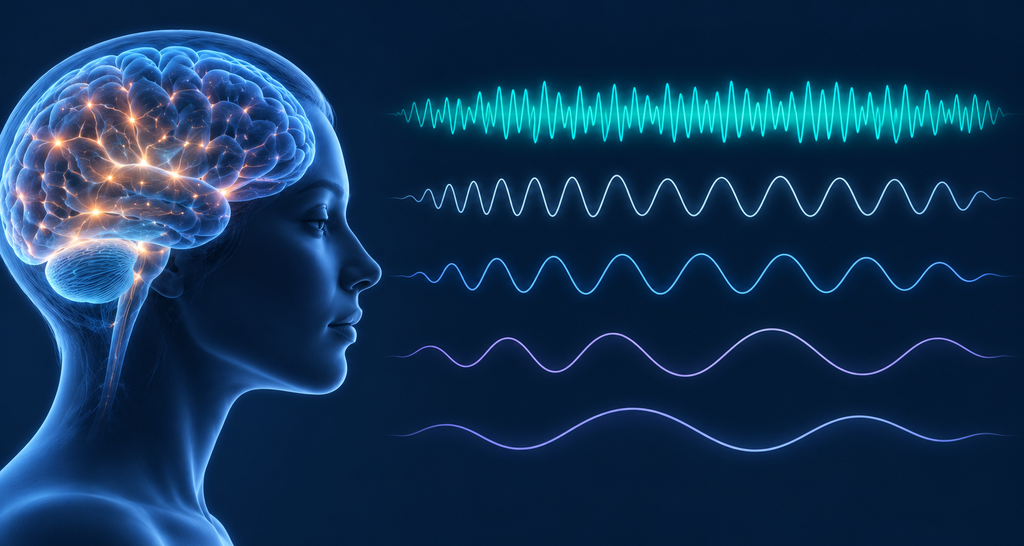
The Brain Song’s marketing ties its recording to this gamma-frequency activity. The basic idea is that listening to carefully designed sound might nudge the brain toward a more useful state. It’s an interesting concept. It’s also just that: a concept, not a demonstrated result.
What the Science Supports, and Where It Runs Out
This is the part that product pages, and many sites publishing The Brain Song reviews, tend to skip, so let’s be plain about it.
Gamma oscillations are a real, active research topic. Scientists also test whether rhythmic sounds or flickering lights can change measurable brain responses. So the idea behind the product didn’t come from nowhere.
But a measurable brain response isn’t the same as a better memory. Seeing a change on a lab recording doesn’t mean someone will remember names more easily or focus longer at work. And the research available today doesn’t establish that The Brain Song’s own recording produces the benefits the seller describes.
| Evidence Type | What It Looks At | What It Doesn’t Automatically Prove |
| Gamma oscillations | How brain rhythms relate to thinking and attention | That a specific recording improves memory in daily life |
| Auditory stimulation | How the brain responds to rhythmic or frequency-based sound | That every recording built on similar ideas works the same way |
| Product-specific trials | Results for one tested recording under set study conditions | Results beyond the people, methods, and outcomes that were actually studied |
Want to check for yourself? Search for gamma oscillation studies on PubMed. Read a few abstracts and notice how carefully researchers word their conclusions. It’s a useful yardstick. Any product claim should be at least that careful.
What a Typical Listening Routine Looks Like
Whether The Brain Song earns a place in your day depends a lot on how you use it. Here are three everyday situations that show how it can fit.

Picture a student three weeks out from final exams. Every evening at eight, she listens before opening her notes. The audio may or may not be doing anything special, but the ritual works as a starting signal. Phone goes in a drawer, headphones go on, and study time begins.
Now think of someone working from home who crashes around 3 p.m. Instead of another coffee or twenty minutes of scrolling, they take a short listening break on the couch. It’s quiet, it’s screen-free and it’s predictable, which is often what an afternoon slump actually needs.
Or take a retiree who has started worrying about misplacing keys and forgetting appointments. They pair the recording with a morning walk and a crossword. Here, the audio is one small piece of a bigger routine, not the whole plan.
Mistakes That Make It Harder to Judge
Expecting a big change in the first week is the most common one. Listening in a noisy kitchen while answering emails is another, since it defeats the point of a calm session. Some people also ignore the vendor’s guidance on devices, volume and session length. Follow it, and keep the volume comfortable. Your hearing matters more than any brain program.
Who May Benefit From It and Who May Want to Skip It
The Brain Song makes the most sense if you enjoy audio-based routines, want something low-effort you can do at home and are fine with the fact that results aren’t guaranteed. It also appeals to people who’d rather not add another pill to their day.
It’s probably not for you if you want a proven memory treatment or have a diagnosed cognitive condition. The same goes if you’d rather not spend money on something with limited evidence behind it. And if your memory problems are new, sudden or getting worse, please see a doctor before trying any wellness product. That’s not a formality. Some causes of memory trouble are very treatable.
Pros and Cons
Here’s a quick side-by-side of the strengths and limits that come up most in The Brain Song reviews and the product details.
| Pros | Cons |
| Simple routine built around listening | Limited evidence for this specific recording |
| No supplement or device needed | Results vary and aren’t guaranteed |
| Instant digital access, nothing to ship | Pricing and terms are controlled by the vendor |
| Fits easily into a quiet home routine | Needs steady daily use before you can judge it fairly |
Price, Refunds and Where to Buy
Price questions come up often in The Brain Song reviews, but we don’t list a price here, and that’s deliberate. The vendor sets the price, the package contents and the refund terms, and any of those can change without notice. Check the official site for current details, and buy only from there to avoid copies and unauthorized resellers.
Before You Buy, Check These Four Things
| What to Check | Why It Matters |
| Package contents | So you know exactly which audio files and extras you’ll get |
| Playback requirements | To confirm it works on your phone, computer or headphones |
| Total price | Upsells and add-ons can appear at checkout |
| Refund conditions | You’ll want to know the time limit and how to request one |
Getting the Most Out of Your Sessions
Pick a time and stick with it. Same time each day turns a task into a habit much faster. Use comfortable headphones, find a quiet room and silence your phone. Then give it a few weeks before deciding how you feel about it.
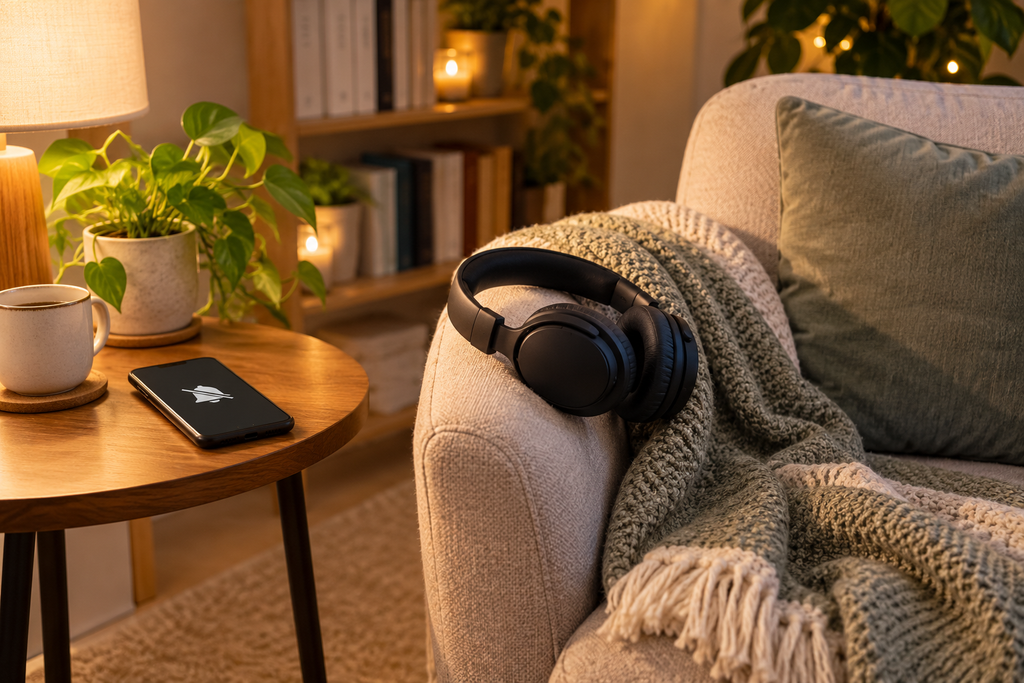
It also helps to look after your brain in the ways we know work. Regular sleep, physical activity, time with other people and learning new things all support cognitive health. Think of The Brain Song as one calm habit sitting inside that bigger picture, not a replacement for it.
Final Verdict on The Brain Song Reviews
So what do The Brain Song reviews add up to? A simple, home-friendly listening routine built on a real area of neuroscience research, with no solid proof that this particular recording improves memory or focus. Many people enjoy the calm routine. Others notice very little.
If you’re curious, like the idea of making listening part of your daily routine, and can keep your expectations realistic, it may be worth trying. If you need real help with memory problems, start with a healthcare professional. To see the current package, price and refund terms, click “Explore the Official Offer” to visit the vendor’s site, and keep in mind that the vendor controls pricing and terms.
Health disclaimer: This article is for general information only and is not medical advice. No cognitive improvement is guaranteed. If you have concerns about your memory or health, please talk to a qualified doctor.