It has to be started in a very calm, composed, and clear manner. After working for several hours at a laptop or computer screen, if you look at a wall clock on the other side of the room, the numbers appear somewhat blurred, or it takes a few seconds for them to come into focus. Driving at night no longer feels as easy as it used to, because the headlights of oncoming vehicles create a sort of halo of light before my eyes, making it difficult to see the road ahead. Alternatively, it could be that you are over 40 and now need to wear the glasses—which you previously used only occasionally—all the time. This is precisely the time when many people start looking for eye supplements, so we should read the reviews carefully and gather the relevant information. Visiflora reviews help people understand these aspects. VC Flora has been launched in the global market as a vision-enhancing supplement that begins working directly from within the body—specifically, from the gut. This is creating an unconventional perspective in today’s competitive world; therefore, one must certainly exercise caution regarding this matter.
In today’s discussion, three specific points will be highlighted and presented to you in a very simple manner—concepts that were extremely complex to grasp from the original pages of this supplement. The points to consider are: what the brand that manufactured the supplement says about it; secondly, what science actually says about the supplement; and thirdly, what other unknown information exists regarding the supplement. For the sake of discussion, we would like to inform you that we have not personally used Visiflora, nor are we speaking from our own personal experience. However, our discussion will specifically highlight its original formula, the rationale and significance behind its core concept, and the key terms involved, alongside the most important security aspects regarding ordering.
VisiFlora at a Glance
| Detail | What the official page states |
| Product type | Daily vision and gut-eye support supplement |
| Format | Capsules |
| Directions | One capsule daily with a meal and a glass of water |
| Formula | Marketed as “22-in-1”; 21 ingredients are individually named |
| Disclosed doses | Zinc 11 mg only; other amounts not listed |
| Diet claims | Non-GMO, stimulant-free, vegetarian-friendly |
| Price range | $49 to $79 per bottle, depending on package |
| Guarantee | 60 days from the date you receive your order |
| Retailer | ClickBank |
| Clinical trial of the finished product | None published |
What Is VisiFlora?
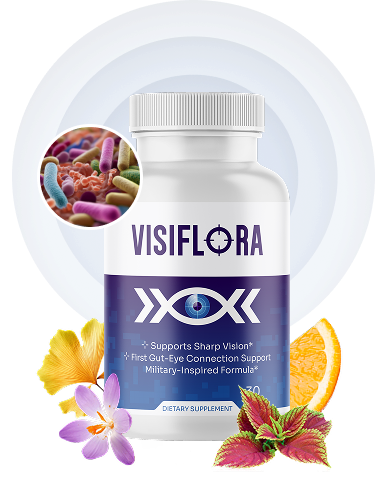
VisiFlora is a capsule supplement that needs to be taken once daily. A blend of all the nutrients essential for eye health—such as lutein, zinc, and vitamins C and E—has been included here. Additionally, several other beneficial ingredients have been included here, which play a significant role in improving the connection between the gut and the eyes. An examination of its sales data reveals that it is recognised as a comprehensive vision-enhancing solution that also ensures good intestinal health. In addition to providing daily relief and enhancing visual clarity, this supplement acts as a vital link in the absorption of nutrients and the protection of eye health, thereby gradually improving ocular clarity.
If we examine data related to scientific research, we find that the functioning of the eyes depends on blood flow and the supply of nutrients reaching them—nutrients that are first absorbed through the digestive system. Therefore, this supplement works at the root of the problem, making it extremely easy to understand the core issue.
However, the actual effectiveness or the quality of results this supplement delivers cannot be determined solely based on its formula; we will certainly discuss these aspects below as well.
The Gut-Eye Connection: What the Science Really Says
The gut-eye axis is a real area of research. Scientists are studying how the trillions of microbes in the digestive tract may influence inflammation and immune activity throughout the body, including the eyes. A 2023 review indexed on PubMed examined links between the gut microbiome and several eye conditions, and the field is clearly growing.
However, the formula used here—the ‘Gut-Eye Barrier Complex’—is so precise that it compels people to think twice. No probiotics have been used here; instead, various natural ingredients—such as grape seed extract, antioxidants and amino acids like taurine—have been utilised. Instead of using live bacteria, antioxidants and barrier agents have been used here to maintain the integrity of the digestive tract.
VisiFlora Ingredients: A Closer Look at All 21 Named Nutrients
This brand has divided its formula into four different blends. Since the exact quantities of the mixtures or ingredients used have not been disclosed—with the exception of zinc, which has been specified— Therefore, in most cases, there is no way to compare the results published by supplement brands with the quantities of ingredients used in the research. While reviewing the list of ingredients, keep in mind that the names listed on the product packaging simply indicate what was used to manufacture it; they do not definitively reveal the product’s actual efficacy or the extent of its impact in achieving desired results.
| Blend | Ingredients | Brand’s stated role |
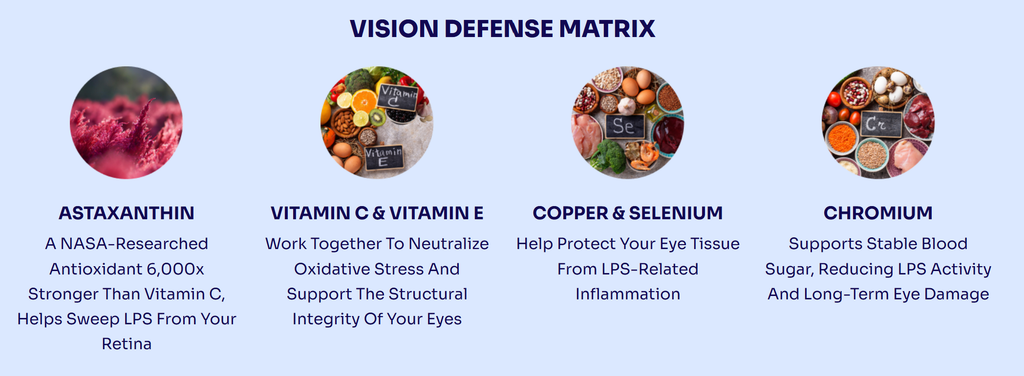
| Vision Defense Matrix | Astaxanthin, vitamin C, vitamin E, copper, selenium, chromium | Antioxidant protection, eye tissue support, metabolic support |
| Gut-Eye Barrier Complex | Grape seed extract, rutin, quercetin, taurine, alpha lipoic acid | Vascular and cellular integrity, retinal function, antioxidant recycling |
| Vision Performance Boosters | Ginkgo biloba, coleus forskohlii, eyebright | Microcirculation, visual focus, ocular comfort |
| Macular & Lens Protection Blend | Vitamin A (beta carotene), lutein, zeaxanthin (from marigold), zinc (11 mg), bilberry extract, lycopene, saffron extract | Low-light vision, blue light filtering, lens and macular support |
Lutein and Zeaxanthin
These two carotenoids concentrate in the macula, the small central part of the retina responsible for sharp, detailed vision. They are among the best-studied eye nutrients, largely because of the AREDS2 trial. Without a disclosed amount, though, readers can’t tell whether VisiFlora provides anything close to the 10 mg of lutein and 2 mg of zeaxanthin used in that research.
Zinc (11 mg)
This is the one ingredient with a published dose. Eleven milligrams sits right around the typical daily recommendation for adult men, which makes it a reasonable maintenance amount, but it is far below the 80 mg (and the lower 25 mg tested option) used in AREDS formulas for people with intermediate age-related macular degeneration. That distinction matters if you have been told by an eye doctor to take an AREDS2-style supplement.
Astaxanthin
Astaxanthin is a reddish carotenoid found in algae and seafood, and it has attracted research interest for eye fatigue and oxidative stress. Some promotional material for products like this describes astaxanthin as thousands of times stronger than vitamin C. Treat comparisons like that as marketing language, not established fact, since antioxidant “strength” depends heavily on how it is measured.
Saffron Extract
Saffron has a small but genuinely interesting body of research in early macular degeneration and retinal function. The VisiFlora page calls it a carefully studied extract, which is fair as a description of the ingredient in general, but the studies used specific standardized extracts at specific doses, and VisiFlora’s amount isn’t disclosed.
Bilberry, Ginkgo Biloba and Coleus Forskohlii
Bilberry is often linked to night vision, partly thanks to a popular story about World War II pilots. Controlled studies have not convincingly confirmed that bilberry improves night vision in healthy people. Ginkgo and coleus are included for circulation; any specific percentage claims about improved blood flow to the retina should be considered unverified for this product. Ginkgo also carries a real safety consideration, covered below.
Vitamin A as Beta Carotene
Vitamin A supports normal low-light vision. Beta carotene, however, was removed from the AREDS2 formula partly because earlier research linked high-dose beta carotene to a higher lung cancer risk in smokers and former smokers. VisiFlora doesn’t list its beta carotene amount, so smokers and former smokers should raise this with their doctor before taking it.
Eyebright, Taurine, Lycopene, Chromium, Alpha Lipoic Acid and the Flavonoids
Eyebright is a traditional herb with very little modern clinical research behind it. Taurine is abundant in the retina, and lycopene, grape seed extract, rutin and quercetin are dietary antioxidants. Chromium and alpha lipoic acid are often discussed in relation to blood sugar, which is useful context but also a reason for caution in people taking diabetes medication.
VisiFlora vs. the AREDS2 Formula
Because many readers arrive here after hearing about AREDS2 from an eye doctor, a direct comparison helps.
| Nutrient | AREDS2 formula | VisiFlora |
| Vitamin C | 500 mg | Included, amount not disclosed |
| Vitamin E | 400 IU | Included, amount not disclosed |
| Lutein | 10 mg | Included, amount not disclosed |
| Zeaxanthin | 2 mg | Included, amount not disclosed |
| Zinc | 80 mg (25 mg also tested) | 11 mg |
| Copper | 2 mg | Included, amount not disclosed |
| Beta carotene | Removed | Included, amount not disclosed |
| Extra botanicals | None | Saffron, bilberry, ginkgo, eyebright and others |
| Clinical evidence | Large NEI-funded trials | No trial of the finished product |
Research findings indicate that this supplement is most beneficial for individuals with intermediate AMD and those with advanced AMD in one eye (AREDS2). However, the results of this study do not directly apply to the VisiFlora supplement, and no benefits have yet been observed for individuals who do not have any AMD-related issues. I would suggest that you first consult an eye specialist; if they have recommended AREDS2, then there is no need to use VisiFlora. Since both of these supplements contain similar vitamin-rich ingredients, taking them together could lead to an excessive intake of these nutrients in your body.
Who Might Consider VisiFlora, and Who Should Be Careful
Think about the people who typically look at a product like this. There is the remote worker who stares at two monitors all day and feels gritty, tired eyes by evening. There is the 52-year-old who drives home after dark and notices glare more than before. There is the person who already eats reasonably well but wants a single capsule that covers the familiar eye nutrients. For someone in that position, a broad antioxidant formula with lutein and zeaxanthin is a sensible thing to discuss with a pharmacist or eye doctor.
Here is a common mistake, though. Many people who feel eye strain from screens are dealing with dry eye, uncorrected vision, poor lighting or simply not blinking enough while focused. No capsule fixes an outdated glasses prescription or a monitor placed too close. The 20-20-20 habit, looking 20 feet away for 20 seconds every 20 minutes, along with an updated eye exam, often makes a more noticeable difference than any supplement.
People who should speak with a healthcare provider before starting VisiFlora include anyone taking blood thinners (ginkgo and vitamin E may increase bleeding risk), people on diabetes medication (chromium and alpha lipoic acid may affect blood sugar), current and former smokers (beta carotene), anyone already taking a multivitamin or AREDS2 product, and those who are pregnant, nursing, or managing a chronic condition.
A crucial safety note: sudden vision loss, new flashes of light, a sudden shower of floaters, or a curtain-like shadow across part of your vision can signal a retinal tear or detachment. These need urgent medical assessment, not a supplement.
VisiFlora Price and Packages
Prices below are taken from the official order page and can change, so always confirm them at checkout.
| Package | Bottles | Price per bottle | Total | Shipping |
| Starter | 2 | $79 | $158 | Small shipping fee |
| Advanced | 3 | $59 | $177 | Free US shipping |
| Ultimate | 6 | $49 | $294 | Free US shipping |
The page lists a crossed-out $99 per bottle reference price and shows savings figures for each package. Those numbers are calculated by the brand, and the capsule count per bottle isn’t stated on the main page, so it’s worth checking the label photo or asking support how many days one bottle lasts. The FAQ states every order is a one-time purchase with no auto-ship subscription.
Bonuses
Each package includes three digital ebooks: The Vision Protection Manual (listed at $97), covering eye exercises and lifestyle habits; The Gut-Eye Nutrition Protocol (listed at $67), a 7-day plan with 21 recipes; and The 48-Hour Vision Jump-Start (listed at $50), with quick tips for tired eyes.
Shipping, Refunds and Who Handles Your Payment
Orders ship within 24 to 48 hours after payment is confirmed, and a tracking email follows.
| Destination | Shipping fee | Delivery time |
| Mainland United States | $9.95 or free, depending on quantity | 5 to 8 business days |
| Alaska and Hawaii | $9.95 or free, depending on quantity | 12 to 20 business days |
| Canada | $19.95 | 12 to 20 business days |
| UK and Ireland | $19.95 | 12 to 20 business days |
| Australia and New Zealand | $19.95 | 12 to 20 business days |
The “60-Day Money Back Guarantee” deserves a careful read.The return window starts on the day you receive your order, giving you 60 days from delivery instead of payment. Make sure you send all the items you received back to the following address: 19655 E 35th Dr #100, Aurora, CO 80011, USA. Return shipping is at your expense, and the refund does not include shipping fees.
ClickBank is named as the retailer, and the official FAQ says the charge appears on statements as ClickBank or CLKBANK*COM. Earlier versions of the product’s information mentioned a different billing name, so take a quick screenshot of your order confirmation and note exactly who processed your payment.
Customer Experiences and Testimonials

VisiFlora Pros and Cons
| Pros | Cons |
| Includes well-studied eye nutrients like lutein, zeaxanthin and zinc | Only one ingredient dose (zinc) is disclosed |
| Simple one-capsule daily routine | No clinical trial of the finished formula |
| Non-GMO, stimulant-free, vegetarian-friendly claims | Gut-eye benefits are not proven for this product |
| One-time purchase, no subscription | Refund excludes shipping fees, buyer pays return postage |
| Clear 60-day return window with a posted address | Possible interactions for people on blood thinners or diabetes drugs |
| Tracked shipping to several countries | Contains beta carotene, a concern for smokers |
Final Verdict: Is VisiFlora Worth Trying?
Our VisiFlora review comes down to this: the formula brings together several respected eye nutrients and a thoughtful, research-inspired idea, but the evidence for the finished product is limited. The gut-eye axis is a legitimate scientific frontier, not a settled fact, and without disclosed doses for 20 of the 21 named ingredients, it’s impossible to judge how VisiFlora compares to proven formulas like AREDS2. That doesn’t make it a bad product. It makes it a product you should approach with realistic expectations, a doctor’s input if you take medication, and a clear understanding of the refund rules.
If you’d like to see the current packages, check the label, or confirm today’s prices, you can visit our full overview here: Check Current VisiFlora Offer.
Medical Disclaimer Please note that this article offers general information only and should not be used as a basis for medical decisions. No dietary supplement should be considered a product intended to diagnose, treat, cure, or prevent any disease. If you’re pregnant, nursing, taking medication, or living with a health condition, check with your doctor or eye care professional before adding any supplement to your routine.
How Is VisiFlora Intended to Work?
VisiFlora is marketed as a daily supplement for eye comfort, visual clarity and gut-eye support. It combines common eye nutrients like lutein, zeaxanthin and zinc with antioxidants and botanicals. It isn’t approved to treat any eye disease.
Does VisiFlora really work?
Does VisiFlora really work?
The complete VisiFlora product has not been evaluated in a published clinical trial. Some individual ingredients have research behind them, but most doses aren’t disclosed, so their real-world effect in this product can’t be confirmed. Results will vary from person to person.
What is the recommended dosage for VisiFlora?
The product directions state that you should take one capsule each day with a meal and some water. Food may help with the absorption of fat-soluble nutrients like lutein and vitamin E when you take the supplement. Don’t exceed the recommended amount.
Is VisiFlora safe?
These ingredients are common in many supplements, yet they may not be suitable for everyone, especially those taking certain medications. Ginkgo and vitamin E may interact with blood thinners, and chromium and alpha lipoic acid may affect blood sugar.
Can VisiFlora replace AREDS2?
No. VisiFlora contains only 11 mg of zinc and doesn’t disclose its other doses, while AREDS2 uses specific tested amounts. If your eye doctor recommended AREDS2 for macular degeneration, follow that advice.
How much does VisiFlora cost?
?
At the time of writing, prices run from $79 per bottle for two bottles down to $49 per bottle for six bottles. Buyers of the 3-bottle and 6-bottle bundles don’t have to pay shipping fees for US delivery.
What should you know about VisiFlora’s refund policy?
Customers have 60 days after receiving their order to return every item to the designated warehouse in Aurora, Colorado. Please note that return shipping is at your expense, and shipping fees will not be reimbursed. Keep your tracking number and order information until the return is complete.